
Monday, August 17, 2026 at 4:30 AM PDT
The economy is cooling. So why is Wall Street betting on a rate hike?
Four reports in ten days all pointed the same direction: America is hiring less, spending less, and feeling worse about the economy. That normally drags mortgage rates down. Instead the 30-year fixed is sitting at 6.67% and traders are putting real money on the Fed raising rates before year-end. Here’s what’s going on — and what it means for your payment.
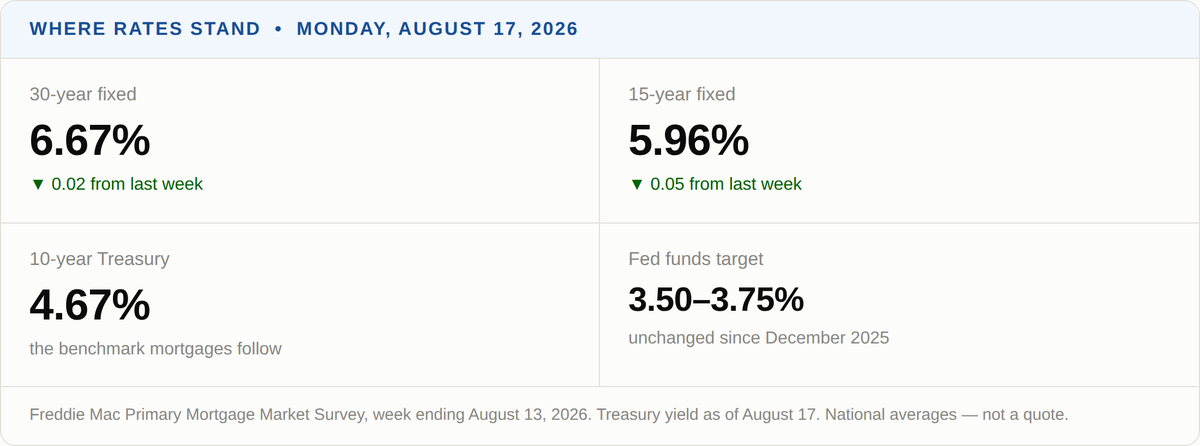
Figure 1. Freddie Mac Primary Mortgage Market Survey, week ending August 13, 2026.
Four soft reports in ten days
Think of the economy as a car and mortgage rates as the speedometer. Over the past ten days, four separate gauges flickered at once.
Employers cut jobs. The economy lost 23,000 jobs in July — forecasters had expected a gain of roughly 80,000. May and June were quietly revised down by another 103,000 combined. For context, the economy had been adding about 34,000 jobs a month over the prior year.
Inflation cooled again. Consumer prices rose just 0.1% in July, and the annual rate eased to 3.4% from 3.5% in June. Strip out food and gas and the annual rate is 2.5% — within striking distance of the Fed’s 2% goal.
Shoppers pulled back. Friday’s retail sales report showed spending fell 0.6% in July, to $763.6 billion — economists had penciled in a 0.2% gain. Sales are still 5.0% above last year, so this isn’t a collapse, but the reversal got everyone’s attention.
And confidence cracked. The University of Michigan’s consumer sentiment index fell to 51.0 in early August from 55.2 in July — well below the 55 forecasters expected. The survey’s director noted the steepest drops came from older households, lower-income households, and those without a college degree.
Any one of those on its own is noise. Four inside ten days is a pattern.
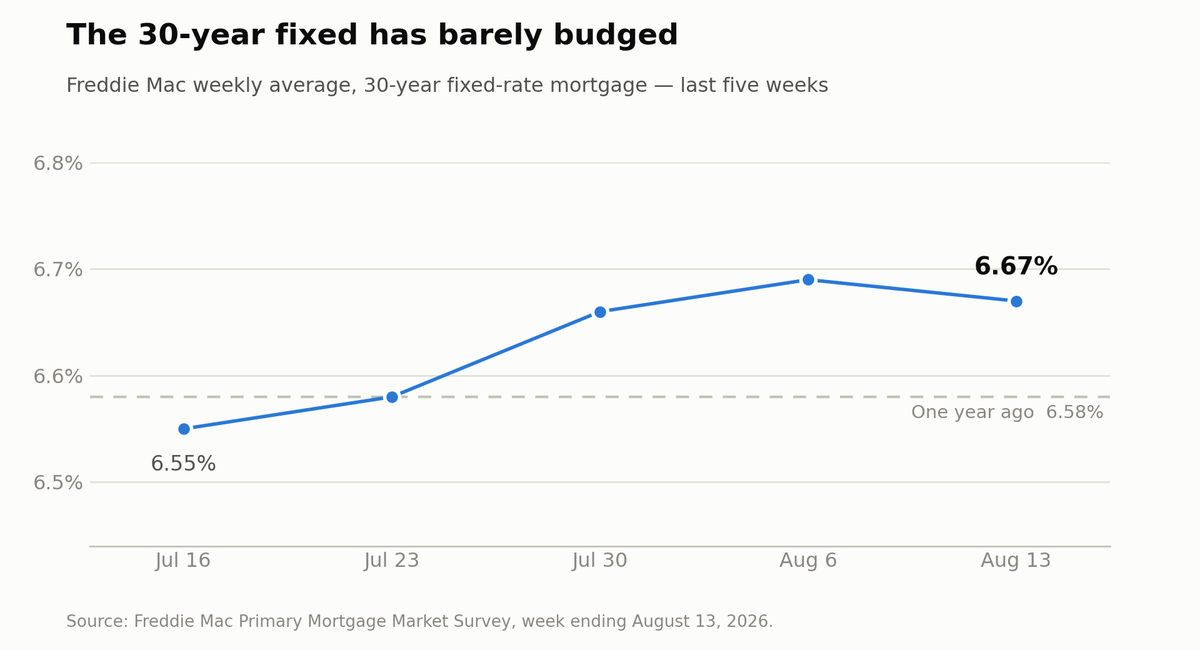
Figure 2. Freddie Mac Primary Mortgage Market Survey, weeks ending July 16 – August 13, 2026.
So why isn’t the Fed riding to the rescue?
Here is the part that surprises almost everyone. Despite all that weakness, traders late last week put the odds of the Fed raising rates at its September meeting at just over 30% — and the odds of at least one hike before year-end near 63%. Nobody is seriously pricing a cut.
The reason is energy, and the fear that it drags inflation back up:
Gasoline costs 24.6% more than it did a year ago.
Total energy costs are up 14.7% over the same period.
At the wholesale level — what businesses pay before goods reach store shelves — prices are running 4.7% above last year.
And in that same gloomy sentiment survey, households said they expect 4.3% inflation over the next year, up from 4.2%. The Fed watches that number closely, because expectations have a way of becoming reality.
You can see the split inside the Fed itself. At July’s meeting the vote to hold was 9 to 3 — and all three dissenters wanted to raise rates, not cut them. A committee that divided is not about to send rates tumbling.
This matters for you because mortgage rates don’t take orders from the Fed anyway. They follow the 10-year Treasury bond. Bond investors are doing the cautious thing — waiting for proof that inflation is truly beaten before they lend for 30 years more cheaply. That keeps the 10-year near 4.67% and your mortgage rate near 6.67%.
The short version: the jobs and spending data say slow down, while energy prices and inflation expectations say not so fast. Rates are pinned in between.
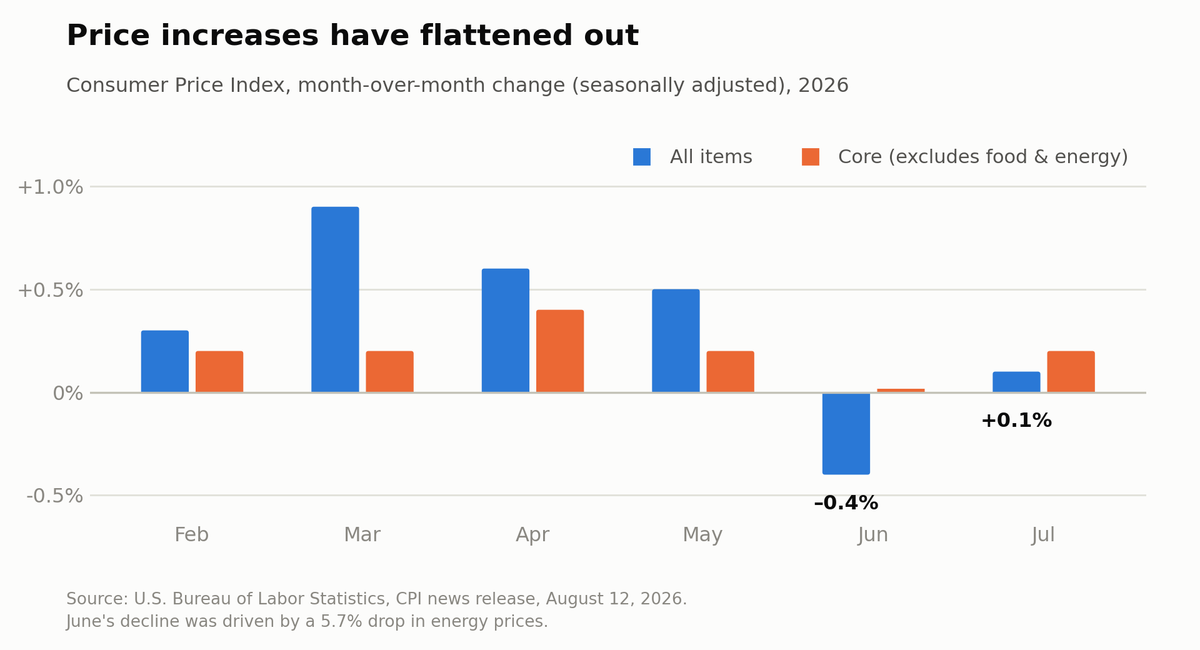
Figure 3. U.S. Bureau of Labor Statistics, Consumer Price Index news release, August 12, 2026.
What this costs you in real dollars
Percentages are abstract. Dollars aren’t. Here is the same rate range translated into a monthly payment on a median-priced home.
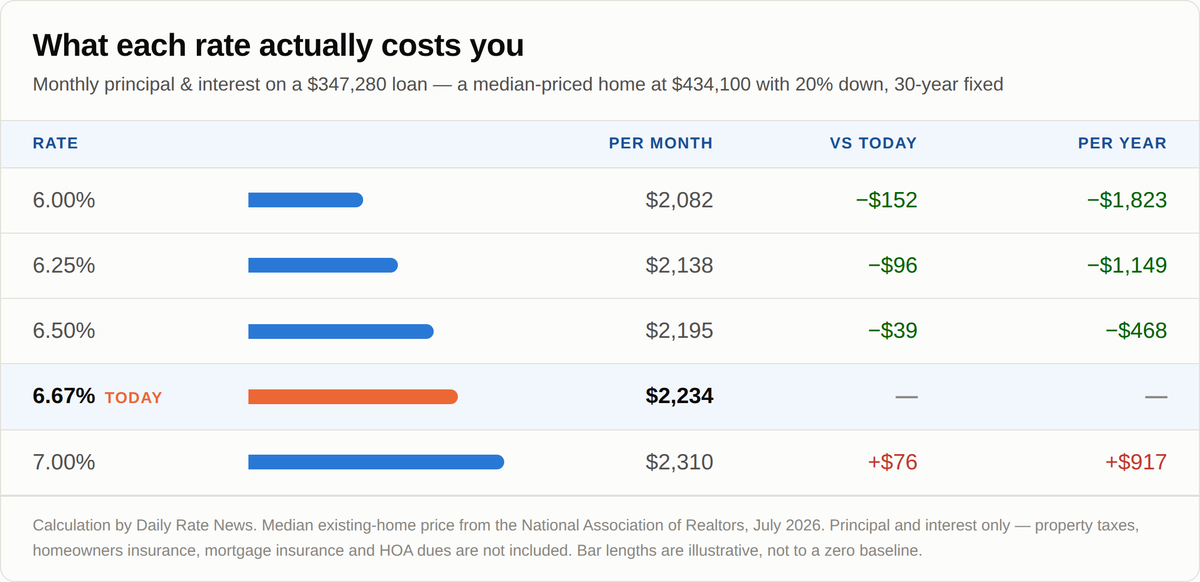
Figure 4. Calculation by Daily Rate News using the July 2026 median existing-home price from the National Association of Realtors.
Every quarter-point is worth roughly $57 a month — about $680 a year — on a loan this size.
If your current rate starts with a 7, a drop into the low 6s is where a refinance starts to pay for itself. That break-even takes me about ten minutes to run for you.
The housing market, briefly
Home sales slipped 1.7% in July to an annual pace of 4.06 million — yet they’re still running 0.7% ahead of last year, which is remarkable given where rates are. The median existing home sold for $434,100, up 2.0% from a year ago. That’s the 37th straight month of annual price gains, but the slowest kind: prices are creeping, not climbing.
1.54 million homes for sale — a 4.6-month supply
29 days is how long a typical listing sat before going under contract
29% of July’s buyers were first-timers
Four and a half months of supply is close to a balanced market — neither a seller’s market nor a buyer’s. Practically, that means more room to negotiate on price, closing costs and repairs than buyers have had in years.
What to watch this week
Tomorrow — Housing starts, building permits and industrial production. How much builders are breaking ground on; more construction eventually means more choices for buyers.
Wednesday — Fed meeting minutes, 2:00 pm ET. This is the one that could move your rate. The detailed notes from July’s meeting, which investors will comb for clues about whether a hike is really on the table.
Thursday — Weekly unemployment claims, plus Freddie Mac’s fresh weekly rate survey.
All week — Earnings from Walmart, Target, Home Depot and Lowe’s. After Friday’s retail miss, these tell us whether shoppers are pausing or genuinely pulling back.
Two dates further out are already circled on my calendar. August 27–29 is Jackson Hole, the Fed’s annual retreat in Wyoming where chairs have historically signaled big shifts — this will be Chair Kevin Warsh’s first, and every word will be dissected. Then September 15–16 is the next Fed meeting itself. Remember that mortgage rates typically move before the Fed does, not after — so the reaction often lands in the days around those events, not on the day of the decision.
What I’d do this week
Buying? Inventory is the best it’s been in years and homes are sitting for a month. That’s leverage. Get fully underwritten now so you can move quickly and negotiate from strength.
Already own? If your rate starts with a 7, let’s set a target and a trigger. I’ll watch the market and call you the day it makes sense — no cost, no obligation.
Waiting for rates to drop? Understand what you’re waiting on. Right now the market thinks the Fed’s next move is more likely up than down, and a weakening job market usually brings other buyers off the sidelines the moment rates do fall. Lower rates plus more competition doesn’t always add up to a cheaper house.